
Nourish Your Mind Through Food
Discover the profound connection between what you eat and how you feel. Explore evidence-based insights into how nutrition shapes your mental wellbeing and emotional resilience.
Why Food Matters for Your Mind
Brain Health Foundation
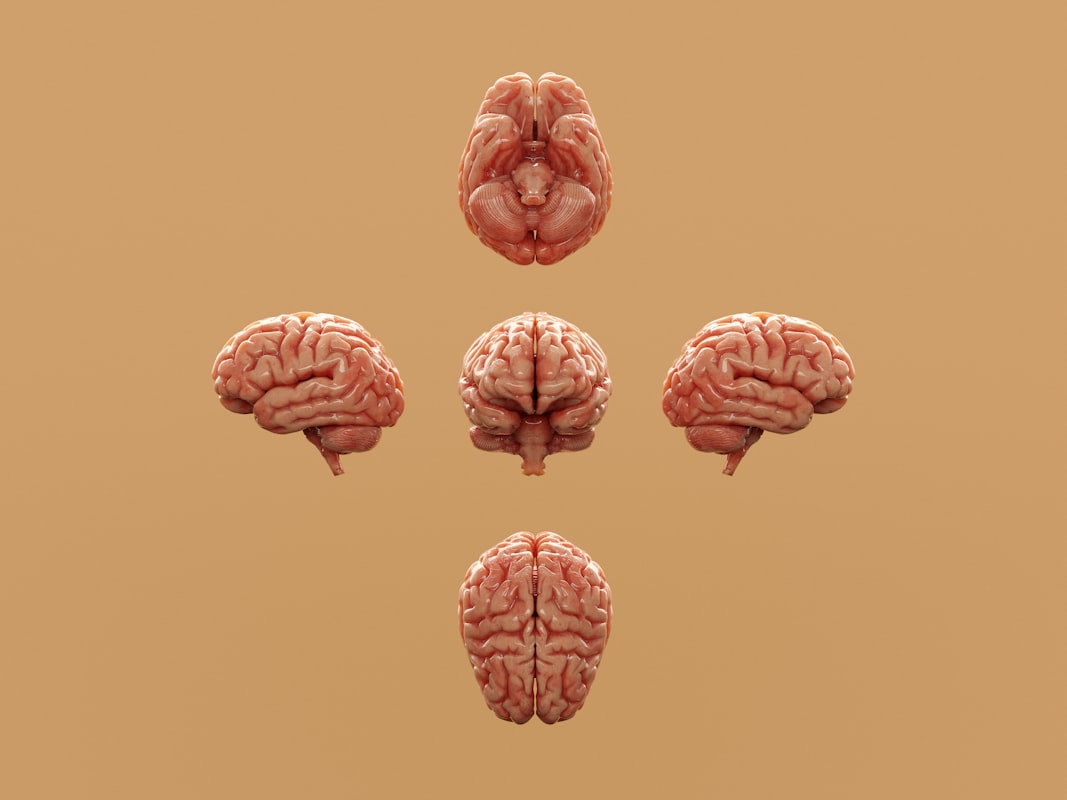
Your brain requires specific nutrients to function optimally. Omega-3 fatty acids, B vitamins, and antioxidants support cognitive clarity, focus, and emotional stability. Understanding what your brain needs is the first step toward better mental wellbeing.
Mood & Emotion
Neurotransmitters like serotonin and dopamine are directly influenced by your diet. Certain foods can lift your mood, reduce feelings of overwhelm, and promote emotional balance. Discover which foods support your emotional resilience every day.
Gut-Mind Connection
Your gut is sometimes called the "second brain." The microbiome communicates directly with your nervous system, influencing your mood and mental clarity. Learn how a healthy digestive system supports emotional wellbeing.

The Science Behind Nutrition and Mental Wellbeing
Research increasingly shows that nutrition plays a crucial role in mental health. The foods we choose affect our brain chemistry, energy levels, and emotional responses. When you fuel your body with nutrient-dense foods, you're directly supporting your mental clarity and emotional balance.
From the amino acids that build neurotransmitters to the minerals that support neural function, every nutrient has a purpose. By understanding these connections, you can make informed choices that nourish both body and mind.
- Nutrient-Rich Foods: Vegetables, fruits, whole grains, and quality proteins provide the building blocks for neurotransmitter production.
- Stable Energy: Balanced meals stabilize blood sugar, preventing energy crashes that affect mood and focus.
- Anti-Inflammatory Support: Whole foods reduce systemic inflammation linked to mood disturbances.
Mood-Boosting Ingredients to Explore

Leafy Greens
Spinach, kale, and other leafy greens are rich in folate and magnesium, both essential for mood regulation and stress resilience.
Fatty Fish
Salmon, mackerel, and sardines provide omega-3 fatty acids crucial for brain health and emotional wellbeing.

Berries
Blueberries, raspberries, and blackberries contain antioxidants that protect brain cells and support cognitive function.

Nuts & Seeds
Almonds, walnuts, and seeds are nutrient-dense, providing magnesium, zinc, and healthy fats for mental clarity.

Fermented Foods
Yogurt, kefir, and sauerkraut support gut health, which directly influences mood and mental wellbeing through the gut-brain axis.

Dark Chocolate
Rich in phenolic compounds and magnesium, dark chocolate can improve mood and provide a moment of mindful enjoyment.
Readers Share Their Stories
"Learning about the food-mood connection completely transformed how I approach eating. I started noticing that certain foods made me feel more energised and focused, while others left me sluggish. The articles here helped me understand why. Within weeks of making these changes, my energy levels improved dramatically, and I felt more emotionally balanced than I had in years."
Sarah Mitchell
Manchester, UK
5/5
"I always wondered why my mood seemed to crash in the afternoons. The insights about blood sugar stability and choosing the right carbohydrates made everything click. I've restructured my meals based on what I learned here, and the difference in my mental clarity is remarkable."
James Patel
London, UK
5/5
"As someone who struggled with focus and anxiety, I was sceptical about the connection between food and mental wellbeing. But reading the science-backed articles here genuinely helped me understand what was happening. I now pay attention to omega-3 intake and gut health, and I feel so much better."
Emma Richardson
Bristol, UK
5/5
"This website provided the educational content I was looking for without any pushy sales tactics. The information is thorough, well-researched, and genuinely helpful. I've recommended it to friends and family members who are also curious about how nutrition affects mental wellbeing."
David Chen
Edinburgh, UK
Our Editorial Approach
Evidence-Based
All content is grounded in scientific research and peer-reviewed studies. We focus on presenting credible information about nutrition and mental wellbeing.
Educational Content
Our articles educate rather than promote. We explain the "why" behind nutritional recommendations so you can make informed decisions.
Practical Guidance
Beyond theory, we provide actionable insights you can implement immediately. Discover practical ways to incorporate mood-supporting foods into your daily life.
Community Focused
We believe in the power of shared knowledge. Our platform connects readers with educational resources and honest discussions about nutrition and wellbeing.
Holistic Perspective
We explore the interconnected nature of nutrition, mental health, and overall wellbeing. Understanding the whole picture leads to better choices.
Transparent Information
We believe in transparency. All sources are cited, limitations are acknowledged, and we maintain editorial integrity in everything we publish.
Frequently Asked Questions
Food affects mental health through several mechanisms. Nutrients like omega-3 fatty acids, B vitamins, magnesium, and amino acids are essential for neurotransmitter production and brain cell function. Your diet influences serotonin, dopamine, and other chemicals that regulate mood, stress response, and emotional wellbeing. Additionally, blood sugar stability affects energy and mental clarity, while gut health influences mental health through the gut-brain axis.
Ready to Explore the Food-Mood Connection?
Dive into our comprehensive articles and discover how nutrition shapes your mental wellbeing. Start learning today.