
Nourish Your Mind: The Food-Mental Health Connection
Discover the science behind how what you eat shapes your mood, energy, and emotional resilience. Explore the evidence-based connection between nutrition and mental wellbeing through our comprehensive guide.
Key Features of Our Content
We focus on the most important aspects of food and mental health, giving you reliable, evidence-based information.
Brain Chemistry Explained
Learn how nutrients like omega-3s, B vitamins, and amino acids influence neurotransmitter production, affecting mood regulation and cognitive function. We break down complex science into practical understanding.
Whole-Foods Focus
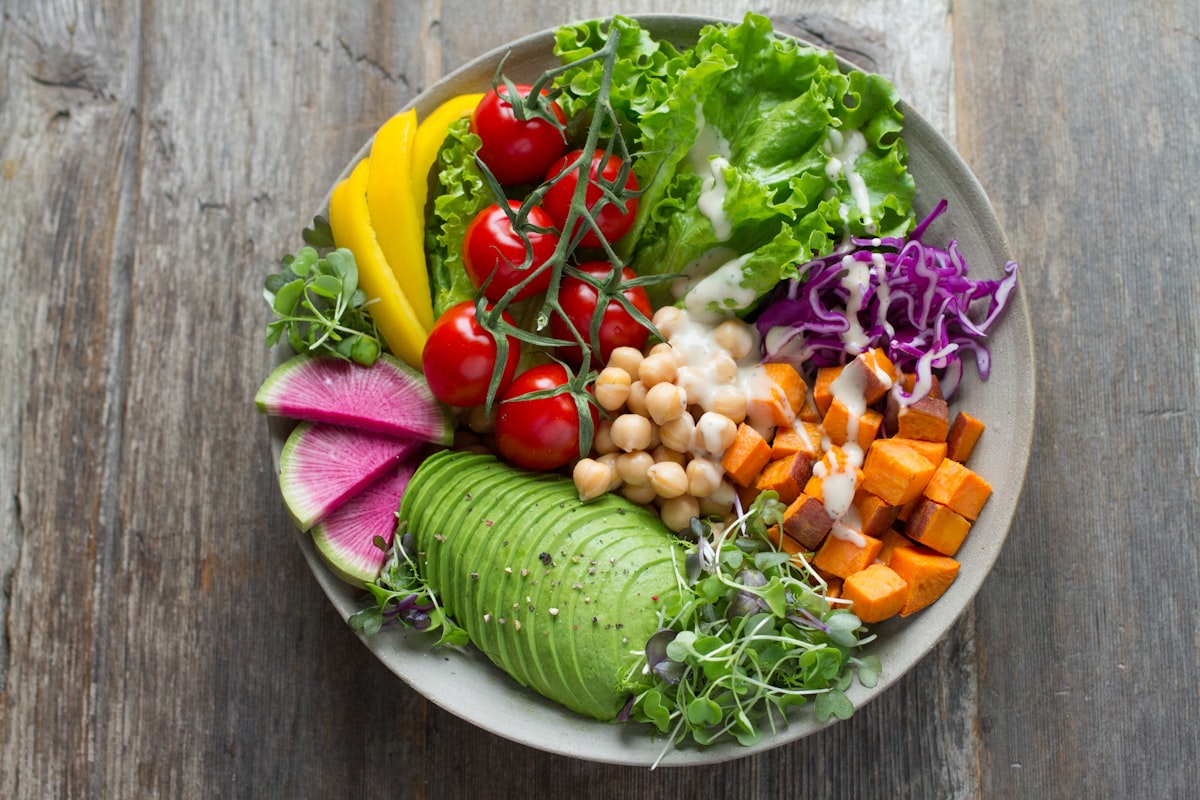
Discover which unprocessed foods support mental clarity and emotional balance. Our content emphasises nutrient-dense options including fruits, vegetables, whole grains, legumes, and quality proteins.
Research-Backed Insights
Every article references peer-reviewed studies and established nutritional science. We present findings from leading researchers in psychoneuroimmunology and nutritional psychiatry.
Practical Food Suggestions
Get actionable guidance on foods to include daily for mood support and mental clarity. We provide meal ideas, shopping tips, and simple ways to integrate these options into your routine.
Comprehensive Guides
Explore in-depth articles covering specific nutrients, dietary patterns, meal timing, and lifestyle factors that support your mental wellbeing. Each guide is thorough and easy to understand.
Personalised Pathways
Understand how different nutritional approaches can be tailored to individual needs. We discuss variations in how people respond to foods and provide frameworks for discovering what works best for you.
How Nutrition Shapes Brain Chemistry
Your brain is one of the body's most metabolically active organs, requiring a steady supply of nutrients to function optimally. The foods you consume directly influence the production of neurotransmitters—chemical messengers that regulate mood, motivation, sleep, and cognitive performance.
Key nutrients including amino acids, vitamins, minerals, and healthy fats are essential building blocks. For example, tryptophan (found in turkey, nuts, and seeds) is a precursor to serotonin, often called the "happy chemical." Zinc supports dopamine function, while magnesium helps regulate stress responses and promote relaxation.
When your nutrition is balanced, your brain has the resources it needs to manage stress, maintain focus, and support emotional equilibrium. When key nutrients are lacking, you may experience fatigue, mood instability, or difficulty concentrating.
Discover Detailed Articles
Brain-Boosting Foods You Should Know
Explore evidence-based foods that support mental clarity and emotional wellness.

Fatty Fish (Salmon, Mackerel, Sardines)
Rich in omega-3 fatty acids, particularly EPA and DHA, which are crucial for brain structure and function. These healthy fats reduce inflammation and support neurotransmitter communication.

Berries (Blueberries, Strawberries)
Packed with anthocyanins and other antioxidants that protect brain cells from oxidative stress. Studies suggest regular berry consumption supports memory and may help with mood regulation.

Leafy Greens (Spinach, Kale, Chard)
Excellent sources of folate, magnesium, and vitamins K, which are essential for cognitive function and stress management. These nutrients help regulate homocysteine levels, supporting brain health.

Nuts & Seeds (Almonds, Walnuts, Flaxseeds)
Provide amino acids, healthy fats, and minerals like zinc and magnesium. Walnuts specifically contain compounds that may support mood and cognitive function through their anti-inflammatory properties.

Whole Grains & Legumes
Rich in complex carbohydrates, B vitamins, and fibre. They stabilize blood sugar and provide the carbohydrates needed for serotonin synthesis, supporting steady mood and sustained energy throughout the day.
Dark Chocolate (70% Cocoa+)
Contains phenylethylamine and anandamide—compounds that may enhance mood. High-cocoa chocolate also provides magnesium and antioxidants that support brain function and reduce stress.
Your 5-Step Journey to Better Mental Health Through Nutrition
A practical framework to integrate nutrition into your daily life for improved mental clarity and emotional balance.
Assess Your Current Eating Patterns
Start by noticing what you typically eat and drink, and how different foods make you feel mentally and emotionally. Keep a simple food and mood journal for one to two weeks. Record meals and note your energy levels, focus, and mood throughout the day. Look for patterns—which foods seem to support clarity, and which leave you feeling sluggish or anxious? This awareness is your foundation.
Increase Nutrient-Dense Whole Foods
Gradually add more whole foods to your daily eating. Focus on the brain-boosting foods mentioned above: fatty fish, berries, leafy greens, nuts, whole grains, and quality proteins. Rather than eliminating foods abruptly, try replacing one processed snack per day with something nutrient-rich. Small, consistent changes are more sustainable than drastic overhauls.
Stabilize Your Blood Sugar Throughout the Day
Pair carbohydrates with protein and healthy fats at each meal and snack. This prevents energy crashes and mood swings that come from blood sugar spikes and drops. For example, instead of eating fruit alone, add nuts or yoghurt. Instead of a biscuit, choose whole grain bread with nut butter. Stable blood sugar supports consistent energy and emotional resilience.
Pay Attention to How You Feel
As you adjust your eating, continue observing your mood, energy, sleep quality, and focus. Notice which foods and eating patterns support your mental clarity and emotional balance. Everyone is unique, so your nutritional needs may differ from someone else's. After several weeks of experimentation, you'll develop intuition about which choices work best for you.
Build Sustainable Habits
Once you've discovered what works, make these choices habitual. Plan your week's meals in advance, keep brain-boosting foods readily available, and integrate eating practices that feel natural to you. Consistency matters more than perfection. Over time, nourishing your mind through food becomes a normal part of your routine.
Common Questions About Food and Mental Wellness
We answer some of the most frequently asked questions about nutrition and mental health.
Changes happen on different timescales for different people. Some feel more energy and clarity within days of adjusting their eating. Others notice gradual improvements in sleep quality, mood stability, and focus over weeks. Factors like your starting point, how consistently you make changes, and your individual biochemistry all matter. The most important thing is to be patient and consistent—the benefits of better nutrition often compound over time.
Nutrition is a foundational pillar of wellbeing, but it works best alongside other supports. Regular physical activity, quality sleep, meaningful relationships, and practices like mindfulness all contribute to mental health. If you're struggling emotionally, speak with a qualified professional who can assess your individual situation. Think of nutrition as part of a comprehensive approach—something that empowers you, not a replacement for professional support.
There are nutrient-rich options within every dietary approach—vegetarian, vegan, paleo, kosher, and more. The principles of supporting your mental health through nutrition remain the same: focus on whole foods, nutrient density, and balanced meals. For example, plant-based eaters can get omega-3s from flaxseeds and walnuts, and protein from legumes and tofu. Our articles discuss adaptations for various dietary patterns, so you can find approaches that work for your values and needs.
Meal timing affects energy and focus. Most people benefit from eating within an hour of waking to stabilize blood sugar and fuel the brain. Regular meals and snacks every 3–4 hours help prevent energy crashes. Evening meals should be lighter to support better sleep. However, individual preferences and schedules vary. Experiment to find the timing that leaves you feeling most clear-headed and energetic throughout your day.
Track subjective markers: your mood, energy levels, sleep quality, ability to focus, and emotional quality, and emotional well-being. The science is clear—nutrition profoundly affects mental health. Monitor these alongside physical markers like weight, body composition, and lab work. Use Nutrientfeeljourney's tracking tools to log how you feel daily and identify patterns that correlate with your nutritional changes.
Absolutely. Nutrientfeeljourney adapts to your preferences, dietary restrictions, allergies, and lifestyle. Whether you're vegan, paleo, gluten-free, or have specific health goals, our personalized plans adjust recommendations in real-time based on your feedback and progress.
Nutrientfeeljourney is designed to support wellness and healthy lifestyle choices. However, if you have a diagnosed medical condition, please consult your healthcare provider or a registered dietitian before starting any nutrition plan. Our tool complements professional medical advice—it doesn't replace it.
What Our Users Say
"Nutrientfeeljourney transformed how I think about food. I feel more energized, my mood is stable, and I finally understand what my body needs."
Sarah M.
Marketing Manager, Age 34
"As someone with a busy schedule, I love how intuitive the app is. Personalized meal plans save me time, and I've never felt better."
James T.
Entrepreneur, Age 41
"The mind-body connection insights were eye-opening. I recovered from emotional eating and now approach nutrition with confidence."
Emma R.
Wellness Coach, Age 29
Ready to Transform Your Nutrition & Feel Better?
Join thousands of users discovering the profound connection between what you eat and how you feel. Start your personalized nutrition journey today—completely free for your first week.
No credit card required. Cancel anytime. Privacy guaranteed.